
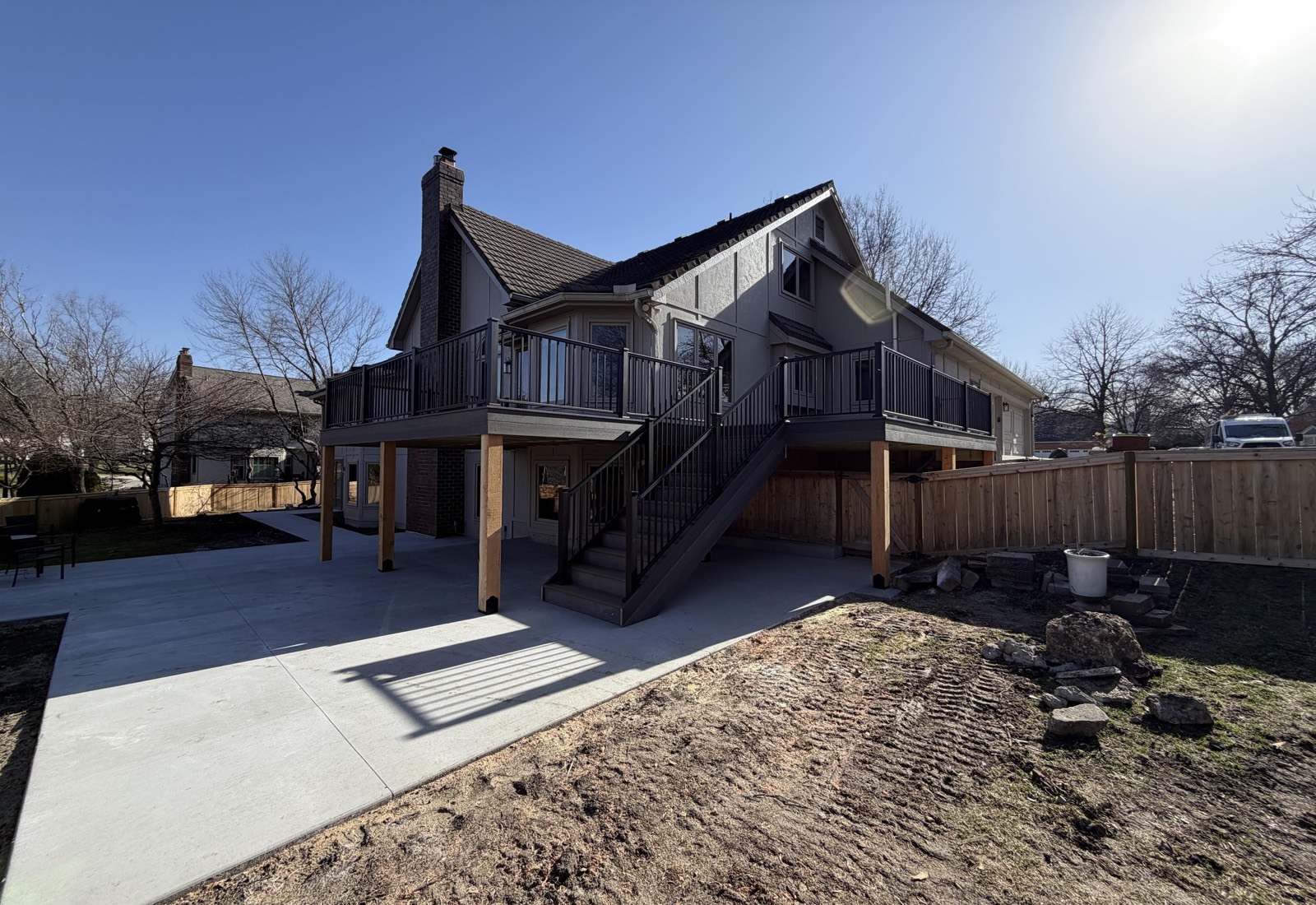
Match the builder to the project type
Start by defining whether you need a new custom deck, repair, replacement, composite resurfacing, stairs, railing, a roof, or a screened room. A builder’s strongest proof should resemble the structural and finish complexity of your project.
A broad gallery can show craftsmanship, but a useful case study explains the starting condition, homeowner goal, material choices, constraints, scope, and result. For a covered or screened room, look for roof, drainage, ceiling, electrical, door, and enclosure details—not only attractive furniture.
DecksRXKC organizes its work by service and project so homeowners can follow the path from a planning question to a relevant completed example.
Compare a complete written scope
A proposal should make the footprint, structure, surface, rails, stairs, fascia, demolition, site access, cleanup, and visible finish details understandable. If key components are allowances or exclusions, they should be easy to identify.
Ask whether the quote assumes existing framing or footings can be reused, and what happens if removal reveals a different condition. Confirm product collection and color, fastening approach, railing system, stair and landing details, skirting or fascia, and responsibility for electrical or roofing trades.
The goal is not the longest contract. It is a scope specific enough that two proposals can be compared and the homeowner can recognize when a requested change affects cost or schedule.
Exact project footprint and retained components
Named material collections or clear allowances
Stairs, guards, fascia, removal, and cleanup
Exclusions, assumptions, and change approval process
Verify permits and business facts locally
Kansas City is a metro of many jurisdictions. Permit, plan, survey, setback, inspection, and contractor requirements can differ between cities and counties. A statement that is correct in Kansas City, Missouri, should not automatically be applied to Overland Park, Lenexa, Lee’s Summit, or another community.
Ask who will identify the authority serving the property, prepare required information, submit documents, respond to comments, schedule inspections, and keep records. Verify licenses, registrations, insurance, certifications, and manufacturer relationships directly rather than relying on a logo or an unsupported “approved” claim.
Kansas City, Missouri’s official permitting pages explain that permits are required for most construction while listing limited exemptions. Use the current official page for the exact jurisdiction and scope.
Sources: City of Kansas City, Missouri
Look for details that reveal project thinking
Good deck planning connects doors, furniture, grilling, views, shade, stairs, landings, gates, grade, patios, utilities, drainage, and maintenance. Ask why the proposed footprint and stair route are right for the site instead of accepting the old layout by default.
For composite work, ask how the builder handles framing compatibility, board direction, seams, breaker boards, picture framing, fasteners, fascia, and stairs. For a covered deck, ask about roof support, house connection, water path, ceiling, fans, lighting, and future screens.
The American Wood Council’s deck resources are useful background for conventional deck components and connections, while the local authority and project design govern the actual work.
Sources: American Wood Council
Understand communication, changes, and cleanup
Before signing, know who your primary contact will be, how questions are handled, what normal work hours look like, where materials will be staged, and how the yard and access route will be managed.
Construction can reveal concealed conditions or inspire owner-requested changes. Ask how the team documents a changed scope, price, and schedule before proceeding. Verbal assumptions are difficult to reconstruct later.
Clarify daily cleanup, final debris removal, protection of landscaping and patios, inspection closeout, product documentation, and the final walk-through. These operational details have a large effect on the homeowner experience.
Use twelve questions before you hire
A short, consistent interview makes estimates easier to compare. Listen for specific explanations tied to your property rather than rehearsed claims about being the best deck company near you.
DecksRXKC provides custom decks, repairs, replacements, composite options, covered and screened spaces, stairs, and railings across the Kansas City metro. A project-specific conversation is the best next step when you are ready to compare a real scope.
Which similar projects can I review?
What does this scope include and exclude?
Which existing components are assumed reusable?
Which exact products and finish details are included?
Who handles plans, permits, and inspections?
How are concealed conditions and changes approved?
Who is my day-to-day contact?
How will access, staging, and landscaping be handled?
What is the cleanup and closeout process?
What manufacturer documents will I receive?
What workmanship responsibility is provided in writing?
Which schedule assumptions could change the timeline?